 Ghana
Ghana Nigeria
 Benin
Benin Burkina Faso
 Cameroon
 Tchad
Tchad
 RDC
RDC Cote d'ivoire
 Gabon
Gabon Guinée
 Kenya
Kenya Liberia
 Moçambique
 Senegal
 Sierra Leone
 Tanzania
 Uganda
 Zambia
 France
 America
 Mali
Mali UK
UK Foundation
 UAE
UAE France
Fitch Ratings Highlights UBA Ghana’s Strong Capital, Improved Asset Quality and Positive Credit Outlook
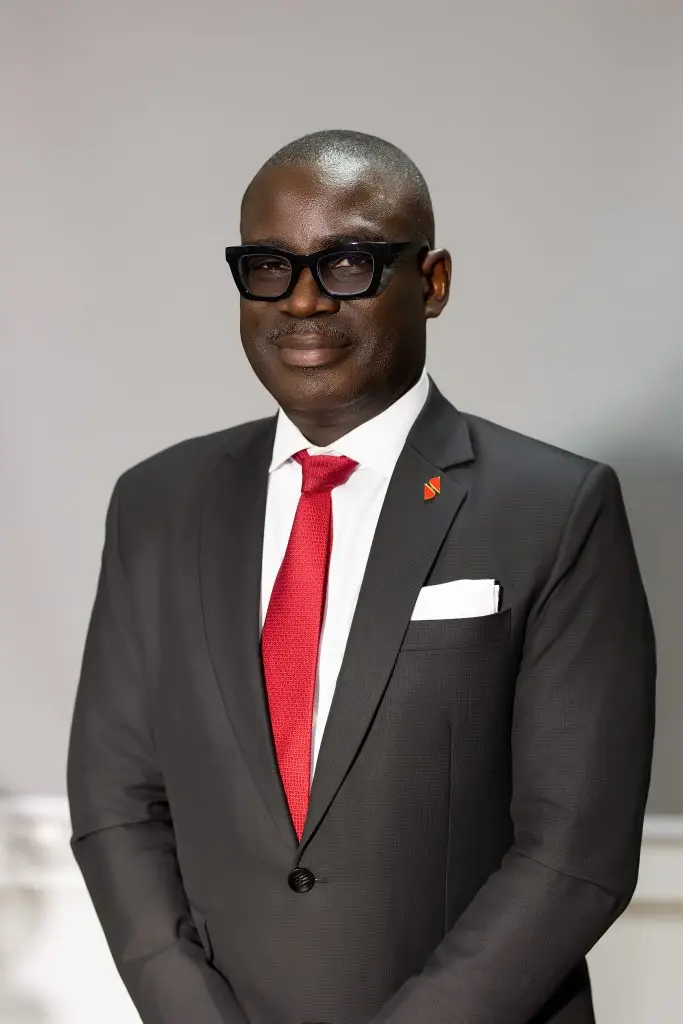
International credit rating agency Fitch Ratings has highlighted United Bank for Africa (UBA) Ghana’s strong capital position, improved asset quality and substantial liquidity buffers in its latest credit assessment, maintaining the Bank’s Long-Term Issuer Default Rating (IDR) at ‘B’ with a Positive Outlook.
The report acknowledges UBA Ghana’s financial resilience, historically high profitability and capacity to support future business growth, despite challenges associated with sovereign exposure and the evolving interest rate environment.
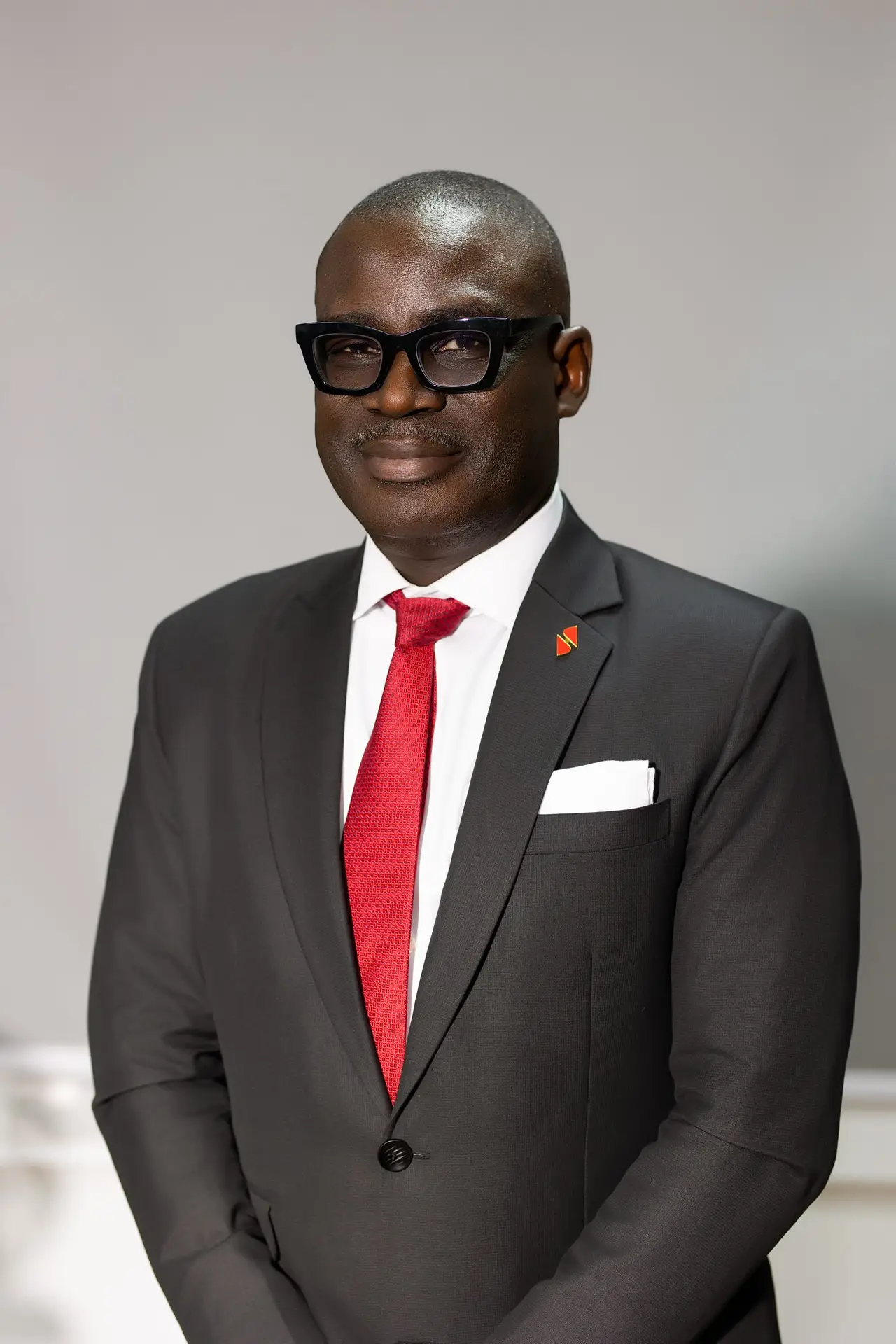
Commenting on the assessment, Bernard Gyebi, Managing Director and Chief Executive Officer of UBA Ghana, said the findings underscore the Bank’s commitment to maintaining a strong financial position while delivering sustainable value to customers and stakeholders.
“Fitch’s assessment reflects the progress we continue to make in strengthening our balance sheet, improving asset quality and maintaining sound capital and liquidity positions. These are important foundations for building a resilient bank that can consistently meet the needs of its customers and support economic growth,” Mr Gyebi said.
He noted that the Bank remains focused on translating its financial strength into meaningful business opportunities through responsible lending, digital innovation, customer experience improvements and stronger support for businesses.
“Our priority is not simply to grow, but to grow sustainably. We are committed to maintaining financial discipline, strengthening risk management and deploying our resources in ways that create long-term value for our customers, shareholders and the wider economy,” he added.
Asset Quality Improves Significantly
A major highlight of Fitch’s assessment is the significant improvement in UBA Ghana’s loan portfolio.
The Bank’s impaired loans ratio declined from 24.7% in 2023 to 12.5% in 2024 and further to 2.1% at the end of 2025.
Fitch attributed the improvement mainly to loan recoveries and write-offs. The proportion of Stage 2 loans also declined from 11.1% in 2024 to 4.7% in 2025.
The improvement represents an important development in the Bank’s asset quality and provides a stronger foundation for future lending activities.
Strong Capital Position and Growing Balance Sheet
Fitch reported that UBA Ghana maintained a total capital adequacy ratio of 21.4% at the end of June 2026, providing a substantial buffer above the 10% regulatory minimum referenced in its assessment.
The agency noted that this capital position provides capacity to absorb significant loan-quality deterioration while supporting planned lending growth.
UBA Ghana’s total equity increased from GHS1.90 billion in December 2025 to GHS2.03 billion in June 2026.
The Bank also recorded growth in its balance sheet, with total assets increasing from GHS11.54 billion at the end of 2025 to GHS13.28 billion in June 2026.
Customer deposits grew from GH₵8.59 billion to GH₵9.21 billion, while gross loans increased from GH₵1.34 billion to GH₵1.50 billion over the same period.
Mr Gyebi said the Bank would continue to leverage its financial position to deepen customer relationships and support businesses across key sectors of the Ghanaian economy.
“A strong balance sheet gives us the capacity to support businesses, facilitate trade and provide customers with the financial solutions they need. We will continue to leverage this strength, together with the capabilities of the wider UBA Group, to expand opportunities for our customers while maintaining prudent risk management standards.”
Profitability and Liquidity Remain Important Strengths
Fitch acknowledged UBA Ghana’s historically strong profitability, noting that operating profit relative to risk-weighted assets averaged 5.9% between 2022 and 2025.
The Bank recorded operating profit of GHS630 million in 2025 and GHS238 million in the first half of 2026.
The rating agency, however, expects profitability to moderate in 2026 as lower interest rates affect earnings from government securities.
On liquidity, Fitch reported that customer deposits accounted for approximately 83% of the Bank’s non-equity funding at the end of June 2026. It also assessed the Bank’s cedi liquidity as adequate, while highlighting its foreign-currency liquidity buffers.
UBA Group’s Pan-African Strength Provides Competitive Advantage
Fitch further recognised the strategic advantages UBA Ghana derives from its relationship with United Bank for Africa Plc, which holds majority ownership stake in the Ghanaian subsidiary.
According to the agency, the Bank benefits from the Group’s established brand, balance sheet capacity and ability to support large transactions and cross-border business relationships.
Mr Gyebi said UBA Ghana would continue to draw on the Group’s pan-African network to support customers engaged in regional trade and investment.
“Our membership of the UBA Group provides a distinct advantage in connecting businesses and facilitating financial transactions across African markets. We intend to deepen these opportunities while continuing to invest in service excellence, innovation and financial inclusion.”
Positive Outlook Supports Confidence in Future Growth
Fitch’s Positive Outlook on UBA Ghana’s Long-Term Issuer Default Rating is aligned with its Positive Outlook on Ghana’s sovereign rating.
The agency projects Ghana’s economy to grow by 5.7% in 2026 and 5.3% in 2027, providing an improving operating environment for the banking industry.
While identifying sovereign exposure and pressure on profitability as continuing risks, the agency’s assessment highlights the Bank’s capital buffers, improved asset quality and financial resilience.
Mr Gyebi reaffirmed Management’s commitment to building a stronger and more competitive institution.
“We remain focused on building a bank that is financially sound, commercially competitive and trusted by its customers. Our ambition is to deliver sustainable growth while contributing meaningfully to Ghana’s economic development.”
The latest Fitch credit update reinforces UBA Ghana’s focus on financial discipline, customer-centred innovation and sustainable business expansion, supported by the broader strength of its pan-African banking network.
ENDS